Protein Intake Calculator 2026: Find Your Daily Protein Needs Instantly
Most people trying to lose weight focus on calories — but they completely ignore protein. And that’s exactly why they end up losing muscle instead of fat, feeling hungry all day, and giving up too soon.
Protein is the one macronutrient that keeps you full, protects your muscle, and actually speeds up fat loss. But here’s the thing — eating “enough” protein means nothing if you don’t know what “enough” actually is for your body.
That’s where a protein intake calculator for weight loss comes in. It takes your weight, activity level, and goal — and gives you one clear number to hit every single day. No guessing, no confusion.
Let’s break it all down in simple terms so you can start eating right and seeing real results.
What is a Protein Intake Calculator?
A protein intake calculator is basically a tool that tells you how much protein your body needs every day — based on your personal stats like weight, height, age, activity level, and goal.
Think of it like a GPS for your nutrition. Instead of guessing, you plug in your details and get a clear number to aim for.
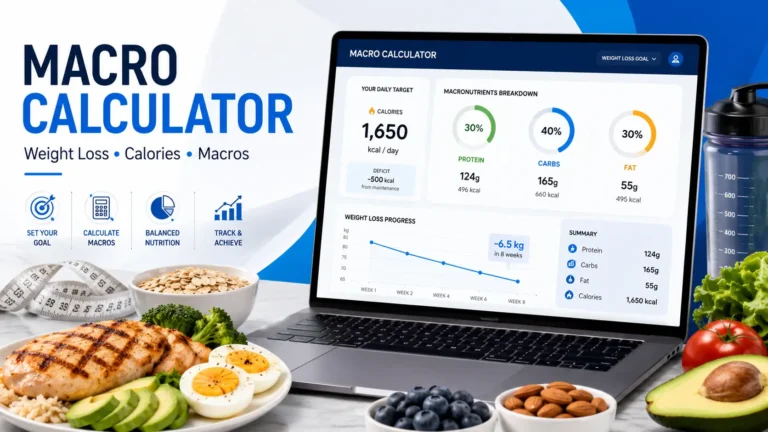
These calculators consider your macronutrients — that’s protein, carbs, and fat — and balance them based on your goal. Whether you want to lose fat, build muscle, or just maintain your current weight, a daily protein intake calculator gives you a personalized starting point.
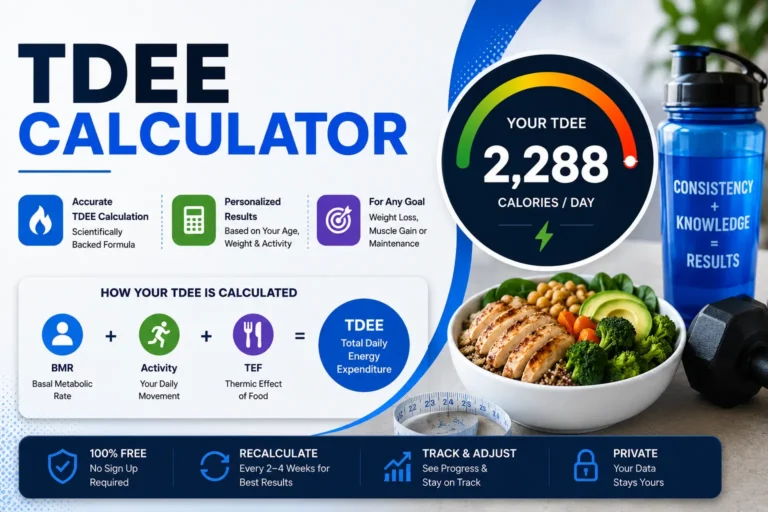
Most online tools also integrate with your TDEE (Total Daily Energy Expenditure) calculator to give you a full picture of your calorie needs alongside your protein target.
The best part? You don’t need a dietitian or nutritionist to figure this out anymore. A good protein intake calculator online does the math for you in seconds.
If you have been ignoring protein, now is the time to rethink it. According to health experts, protein requirements vary depending on body weight and activity level. You can read more detailed guidelines on Healthline’s protein intake recommendations.
How Much Protein Do You Need Per Day?
Great question — and the answer isn’t the same for everyone.
The old-school recommendation was 0.8g of protein per kg of body weight. But that number is outdated for anyone who’s active, trying to lose weight, or building muscle.
Here’s what modern research actually says about how much protein per day you need:
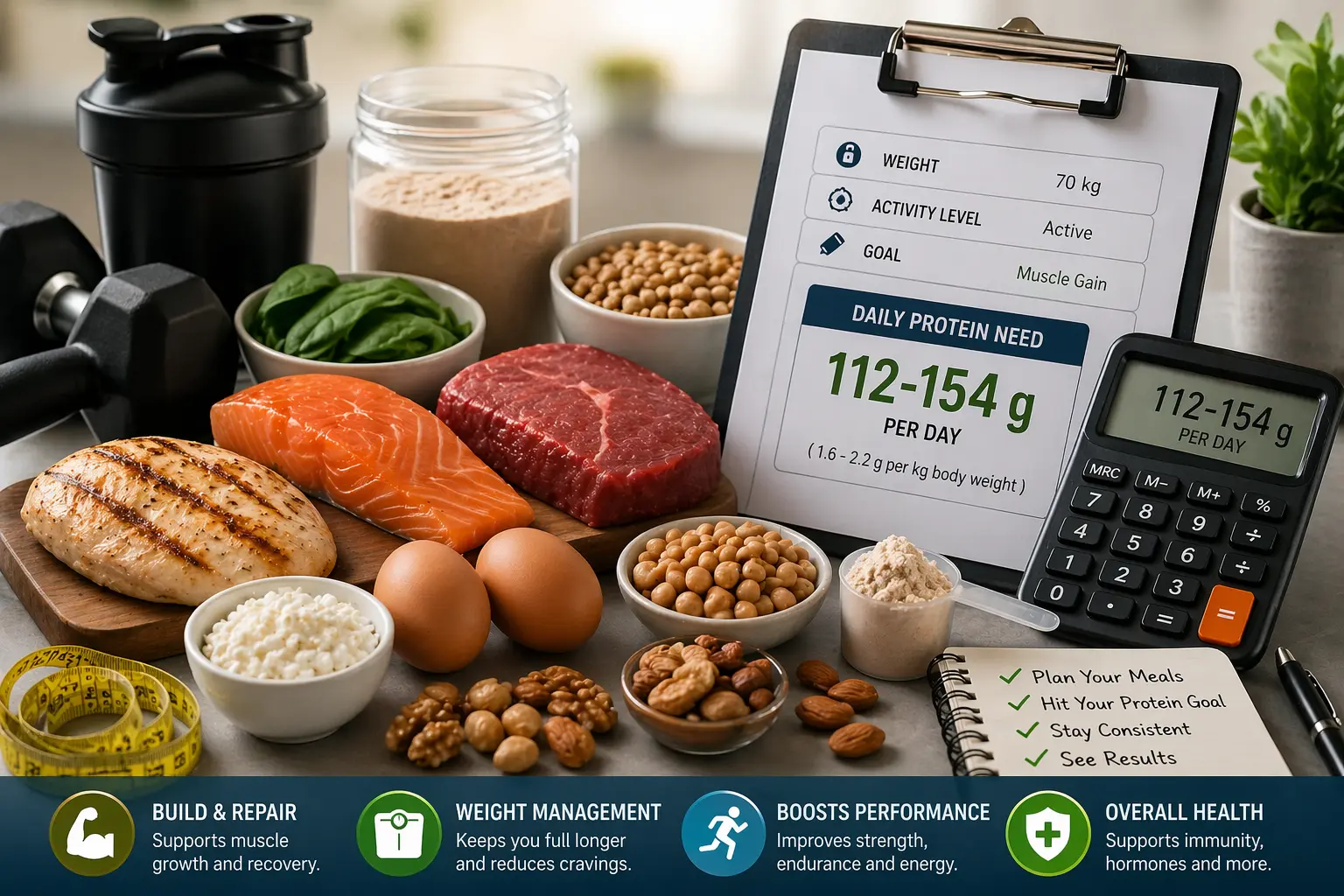
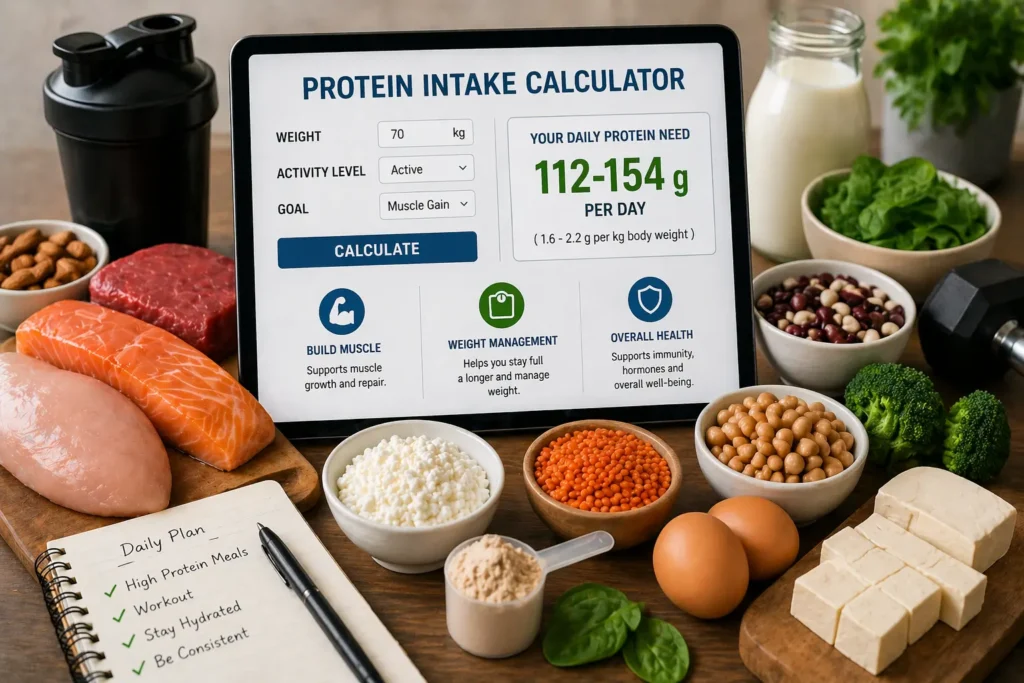
So if you’re trying to lose weight and you weigh 70kg, you’d need somewhere between 112 g and 154 g of protein per day.
That might sound like a lot. But once you start tracking it, you’ll realize it’s very doable with the right protein-rich foods in your diet.
Protein Intake Per Kg Body Weight
The most reliable way to calculate protein intake is by using your body weight in kilograms. This method — protein per kg body weight — is the standard used by dietitians, sports nutritionists, and coaches worldwide.
| 💡 Simple Calculation | |
|---|---|
| Your weight | 80 kg |
| Your goal | Fat Loss |
| Multiplier | × 1.8g |
| Daily protein target | 144g / day ✅ |
Now, if you prefer pounds, just divide your weight by 2.2 to convert to kg first. So a 176-pound person weighs 80kg.
For women, the numbers are slightly lower on average — not because protein matters less, but because women typically have less muscle mass. A woman weighing 60kg aiming for fat loss might target around 96-132 g of protein daily.
The key is to use a protein requirement calculator based on your numbers — not a random number you saw on Instagram.
Protein Intake Calculator for Female
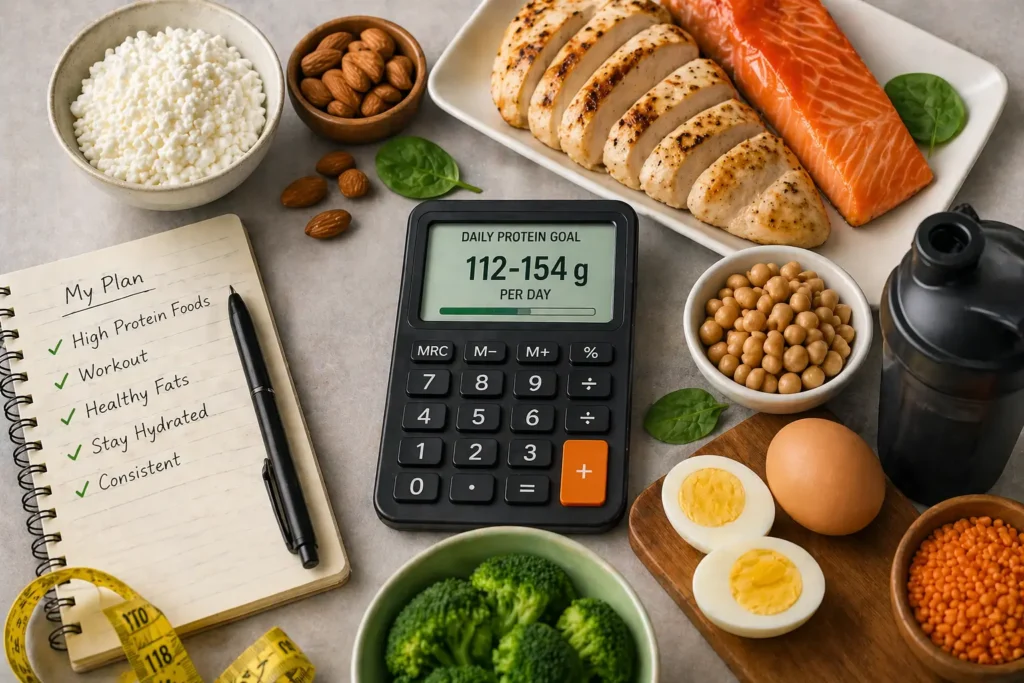
A protein intake calculator for females works like a regular calculator. It considers differences in body composition and personal goals.
Women often focus on fat loss, toning, or maintaining a lean physique. For these goals, protein plays a crucial role.
Often, women underestimate their protein needs. For weight loss, more protein helps keep lean muscle and boost results.
To lose weight or gain strength, you need to calculate your protein intake with precision.
Protein Intake for Weight Loss vs Muscle Gain
Your protein needs change depending on your goal — and this is something most people don’t realize until they’ve been spinning their wheels for months.
🔥 For Fat Loss
When you’re in a calorie deficit, your body risks burning muscle along with fat. Higher protein intake protects that muscle. It also keeps you full for longer, which naturally reduces cravings and stops overeating.
This is why protein intake for fat loss is actually higher than most people expect — around 1.6g to 2.2g per kg of body weight.
💪 For Muscle Gain
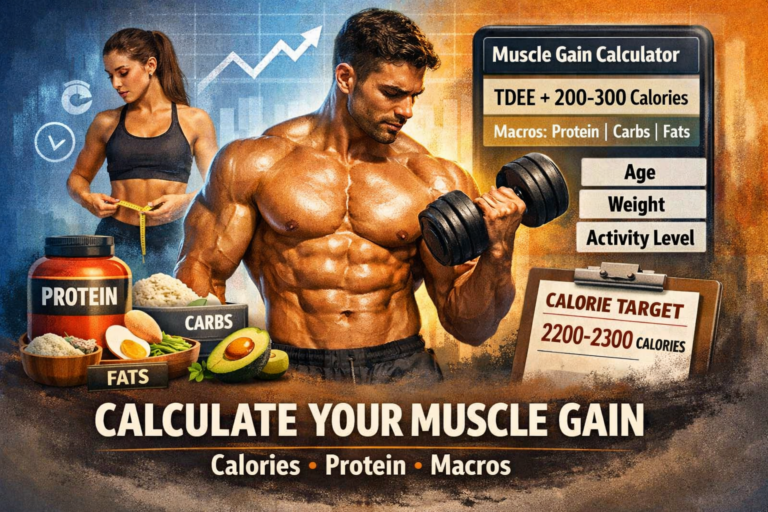
If you’re bulking or doing strength training, your muscles need more raw material to grow. A protein intake calculator for muscle gain typically recommends 1.8g to 2.5g per kg — spread across 4 to 5 meals a day for best results.
Whether you’re cutting or bulking, protein stays your #1 priority. The main difference is your total calorie intake and carb/fat balance. A cutting and bulking calculator helps you shift between phases without any guesswork.
How to Use a Protein Intake Calculator (Step-by-Step)
Using a protein intake calculator based on body weight is simpler than most people think. Here’s the exact process:
Step-by-Step Guide
- Step 1: Enter your weight in kg (lbs ÷ 2.2)
- Step 2: Add your height and age
- Step 3: Select your activity level honestly
- Step 4: Choose your goal — fat loss, muscle gain, or maintenance
- Step 5: Get your daily protein + full macro breakdown
- Step 6: Track daily using MyFitnessPal or Cronomete
A proper macro and protein calculator will show your protein target, daily calorie goal, and suggested carb and fat breakdown — all in one place. No math needed. Just your numbers, ready to use.
Best High-Protein Foods to Reach Your Goal
Reaching your daily protein target depends significantly on the foods you choose.
Animal foods such as chicken, eggs, fish, and dairy provide high-quality protein. They contain all essential amino acids and are ideal for muscle growth.
Plant-based foods like lentils, beans, chickpeas, tofu, and nuts are also good options. While they may not always be complete proteins, combining them can help meet your needs.
If you find it hard to reach your goals, protein shakes or supplements can help. But remember, they should support your diet, not replace whole foods.
per day
per day
per day
per day
per day
per day
per day
per day
Example Calculation (Real-Life)
Let me walk you through a real example — this is exactly how a protein intake calculator for weight loss female approach works in practice.
Here’s what Sara’s daily meals look like to comfortably hit that target:
Sara doesn’t need to hit her number perfectly every day. Consistently coming close — within 10g to 15g — is enough to see real fat loss results without losing muscle.
Common Protein Intake Mistakes
Even people who genuinely care about their diet make these. Here’s what to watch out for:
Eating all your protein in one meal: Your body can only use so much protein at once for muscle synthesis. Spread it across 3–5 meals for much better results throughout the day.
Relying only on protein shakes: Shakes are convenient, but whole foods give better satiety and more nutrients. Use them to supplement your meals — not replace them entirely.
Using a generic number that ignores your body: A flat “60g per day” target ignores your weight, goal, and lifestyle. Always use a protein consumption calculator built around your personal data.
Ignoring total calories: Protein matters — but if you’re eating 4,000 calories with 150g of protein, you won’t lose fat. Protein works best as part of a balanced fat loss nutrition plan.
Not tracking intake at all: Most people underestimate how little protein they actually eat. Track for at least 2 weeks — you’ll likely be surprised at the gap between what you think you eat and reality.
Best High-Protein Foods
Here are the best protein rich foods to hit your daily target — split into animal and plant-based options:
Mix animal and plant sources throughout the day. Variety keeps meals interesting and ensures you get a full range of amino acids — the building blocks your body actually uses to build and repair muscle.
Frequently Asked Questions
💪 Start Eating With a Purpose
Stop guessing. Use the protein intake calculator to get your exact daily protein target in seconds.