Daily Calorie Intake Calculator – How Many Calories Should You Eat? (2026)
Knowing your daily calorie needs is crucial. It helps with weight loss, muscle building, and staying healthy. Every person has different calorie needs based on their body and lifestyle.
A daily calorie intake calculator helps you estimate your ideal calorie need. It uses your age, weight, height, gender, and activity level so you don’t have to guess. This helps you stick to a balanced, healthy diet without strict rules. This daily calorie intake calculator free tool works for anyone trying to lose weight, gain muscle, or simply maintain their current weight — no sign-up required.
What Are Calories?
Calories are the energy your body gets from food and drinks. Your body uses this energy for all essential functions. This includes breathing, walking, and even resting.
- If you eat more calories than you burn → weight gain
- If you eat fewer calories than you burn → weight loss
- If you balance both → weight maintenance
This balance is the foundation of all fitness goals. According to National Health Service, calories are a measure of energy your body uses for daily functions.
How a Daily Calorie Intake Calculator Works
A daily calorie intake calculator uses scientific formulas to estimate your energy needs. It is mainly based on:
- Basal Metabolic Rate (BMR) – calories your body burns at rest
- Total Daily Energy Expenditure (TDEE) – total calories burned per day, including activity
After calculating these values, the result is adjusted based on your goal:
- Weight loss (calorie deficit)
- Weight maintenance
- Muscle gain (calorie surplus)
This is why it is more accurate than guessing.
Benefits of Using a Daily Calorie Intake Calculator
A daily calorie intake calculator can help you reach your health and fitness goals. Here are some key benefits:
- Accurate calorie estimation: It gives a number based on your body and activity level.
- Supports weight loss or gain: Helps you create the right calorie deficit or surplus
- Eliminates the need for manual calorie calculations using complex formulas, saving time
- Improves consistency: Keeps you on track with your daily nutrition goals
- Reduces guesswork: You don’t have to rely on assumptions or random diets.
- Better meal planning: Makes it easier to organize meals and portion sizes
A daily calorie intake calculator keeps you on track. It helps you stay focused and consistent. This makes it easier to reach your fitness goals.
Daily Calorie Intake for Men and Women
Calorie needs vary from person to person, but general ranges can help:
- Men: 2,000–2,800 calories per day
- Women: 1,800–2,400 calories per day
Active people need more calories since they use more energy daily.
A daily calorie intake calculator for women is helpful. Women’s calorie needs change due to hormones, body composition, and activity levels.
Daily Calorie Intake by Weight
Body weight has a significant impact on calorie needs. Heavier people burn more calories, even when resting.
Approximate values:
- 60 kg → 1,800–2,000 calories
- 70 kg → 2,000–2,200 calories
- 80 kg → 2,200–2,500 calories
Many people use a food calorie calculator or a weight-based calculator. These tools help them get more accurate results.
Daily Calorie Intake Calculator to Lose Weight
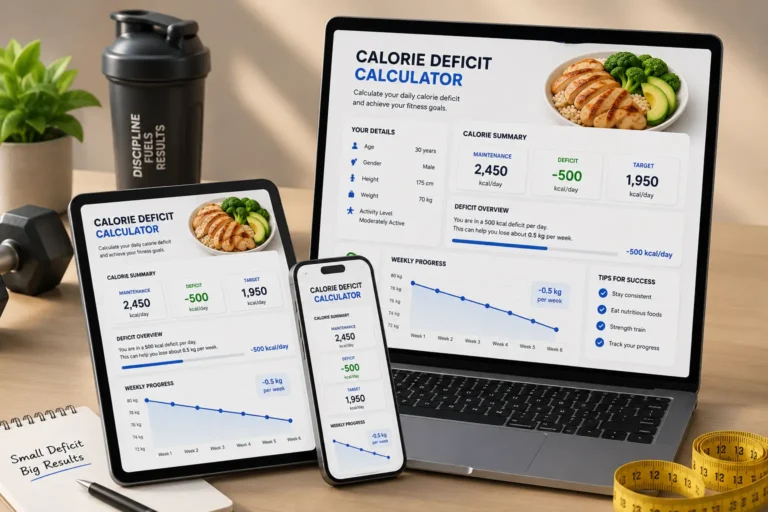
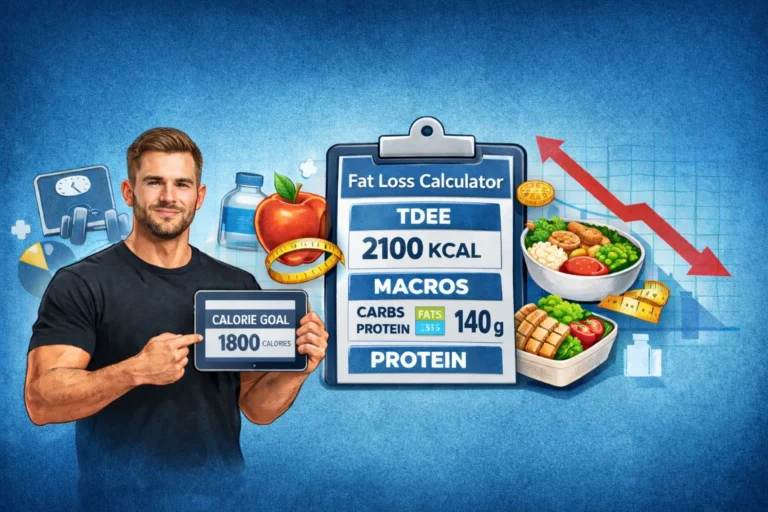
To lose weight, you must create a calorie deficit. This means you should eat fewer calories than your body burns. A safe and sustainable deficit is 300–500 calories per day for gradual fat loss. So how much calories should I eat to lose weight? As a general guide, cutting 300–500 calories from your maintenance number is the safest approach.
A safe and sustainable deficit is
- 300–500 calories per day for gradual fat loss
If your maintenance is 2,000 calories, you can lose weight at a consistent rate by eating 1,500–1,700 calories. This creates steady and sustainable weight loss.
A calorie deficit calculator helps you avoid extreme diets. It also keeps your energy levels steady.
Calorie Intake Calculator for Weight Gain
Muscle growth needs a calorie surplus. This means you should eat more calories than your body uses.
A healthy surplus is
- 200–400 extra calories per day
This extra energy helps muscles repair and grow. It works best with strength training and adequate protein intake.
A TDEE calculator helps set a good starting point for lean muscle gain while minimizing fat gain.
To build lean muscle, check your needs with a muscle gain calorie calculator.
Daily Calorie Intake by Age
Age affects metabolism and calorie needs:
- 18–30 years: higher energy needs due to active metabolism
- 30–50 years: moderate calorie needs
- 50+ years: lower calorie needs due to slower metabolism
Calorie requirements naturally decrease with age, so adjustments are important for maintaining weight.

Calories Per Meal Breakdown
Dividing daily calories into meals makes tracking easier.
For a 1,800-calorie plan:
- Breakfast: 400–450 calories
- Lunch: 500–600 calories
- Dinner: 500–600 calories
- Snacks: 150–300 calories
This method helps maintain stable energy throughout the day.
Is 1,200 Calories per Day Enough?
A 1,200-calorie diet is very low and not suitable for most people.
It may only be appropriate for:
- Small individuals
- Very low-activity lifestyles
However, it can lead to:
- Low energy
- Slower metabolism
- Muscle loss, if followed long-term
That is why using a free calorie calculator is a safer option.
Why Tracking Calories Matters
Tracking calories helps you stay consistent and avoid overeating without strict dieting.
It allows you to:
- Understand your eating habits
- Manage portion sizes easily
- Stay consistent with fitness goals
- Avoid hidden calories from drinks and snacks
A daily calorie counter tool makes this process simple and effective.
Common Mistakes to Avoid
Many people fail to reach their goals because of simple mistakes, such as:
- Eating too few calories
- Ignoring liquid calories (soft drinks, sauces)
- Following extreme crash diets
- Not adjusting calories over time
Avoiding these mistakes leads to long-term success.
FAQs (Frequently Asked Questions)
Final Thoughts
Your daily calorie needs are personal and depend on your body, activity level, and goals. A daily calorie intake calculator gives you a clear and accurate starting point. A calorie calculator takes the guesswork out of this completely — no more relying on random numbers or generic charts.